Dizziness After a Car Accident: When to Seek Evaluation
Dizziness after a car accident is fairly common and can be associated with whiplash-type neck injuries, head injuries, or inner ear involvement. The CDC lists dizziness and balance problems among the physical symptoms of a mild traumatic brain injury, or concussion. Persistent or worsening dizziness should be evaluated, and certain symptoms require emergency care.

Why dizziness can happen after a crash
A collision can jar the head and neck forcefully, even in a lower-speed crash. Dizziness can be linked to whiplash-type injuries, changes in the inner ear, or a mild traumatic brain injury. The National Library of Medicine notes that whiplash pain and symptoms, including dizziness, may not appear right away after an accident.
When to seek emergency medical care
The CDC advises seeking immediate emergency medical care if you have danger signs after a head injury, including a headache that gets worse and does not go away, weakness or numbness in an arm or leg, repeated vomiting or nausea, slurred speech, one pupil larger than the other, seizures, unusual behavior or increasing confusion, difficulty waking up, or loss of consciousness. Dizziness combined with any of these signs is a reason to seek urgent care.
When to seek an evaluation
You may want to be evaluated if dizziness is significant, worsening, persistent for days or weeks, or interfering with balance, walking, driving, work, or sleep. An evaluation can help determine what may be contributing to your symptoms and what next steps are appropriate.
How the clinic can help
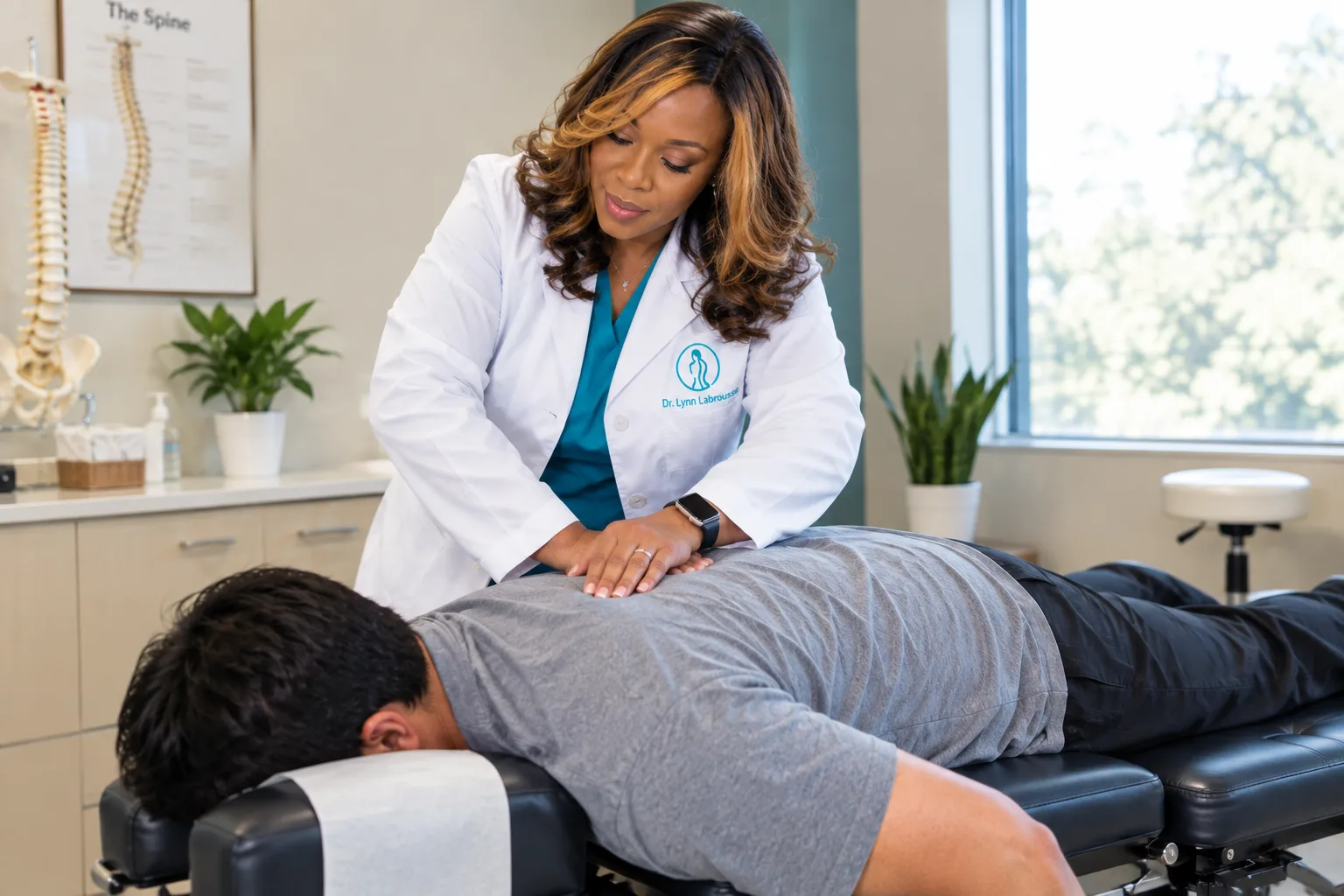
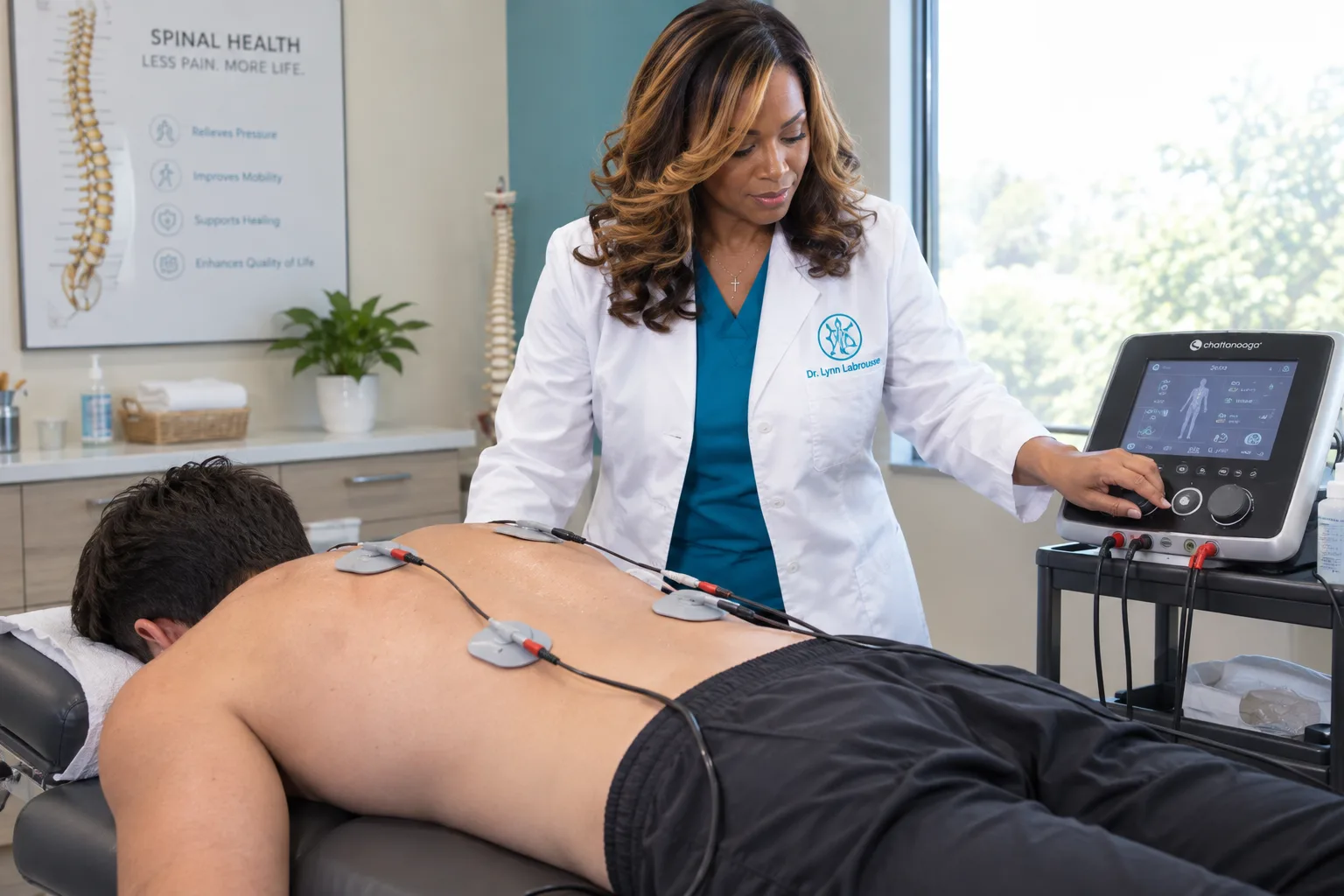
At Spinal Connection Rehab & Wellness Center in North Miami Beach, Dr. Lynn Labrousse personally evaluates patients and reviews their history and symptoms before recommending any care. The clinic provides chiropractic and rehabilitation-oriented services and can discuss whether they may be appropriate for your situation. If your dizziness is related to a head injury, your provider can help you understand whether other medical care should come first.
Common questions
Is dizziness normal after a car accident?
Dizziness is a fairly common symptom after a crash and can be associated with whiplash-type injuries or head injuries. The CDC lists dizziness and balance problems among the symptoms of a mild traumatic brain injury. Persistent or worsening dizziness should be evaluated.
Can chiropractic care help with dizziness after an accident?
Chiropractic care is one approach some patients use after an accident. Because dizziness can have many causes, an evaluation is the first step to determine what may be appropriate for you and whether other care should come first.